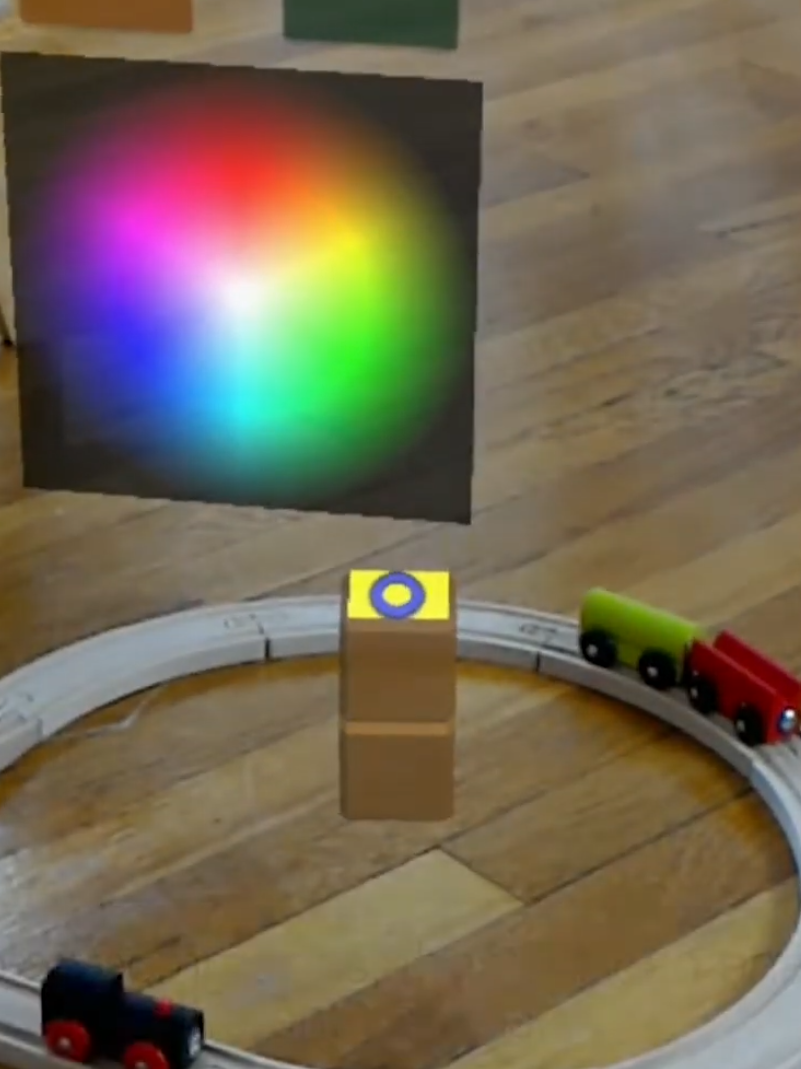
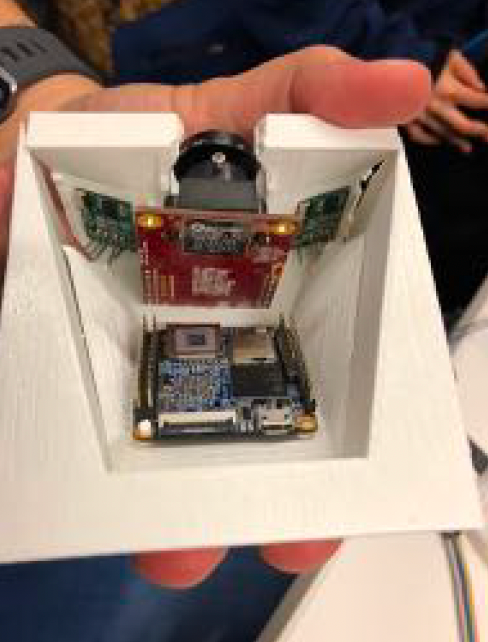
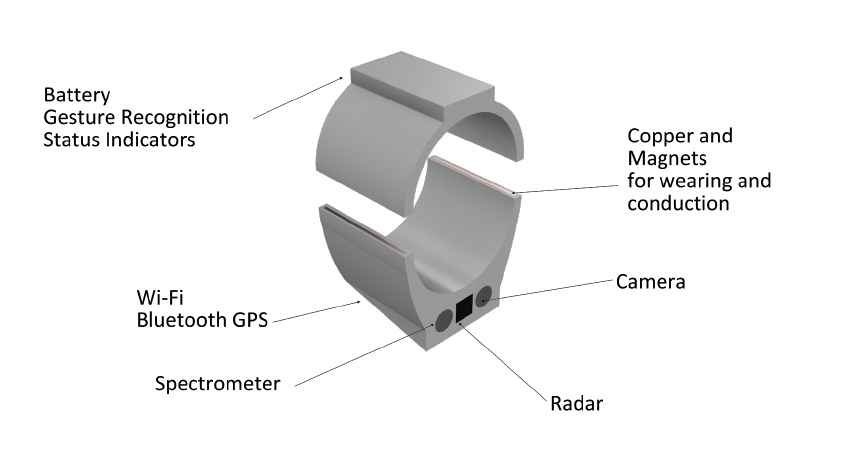
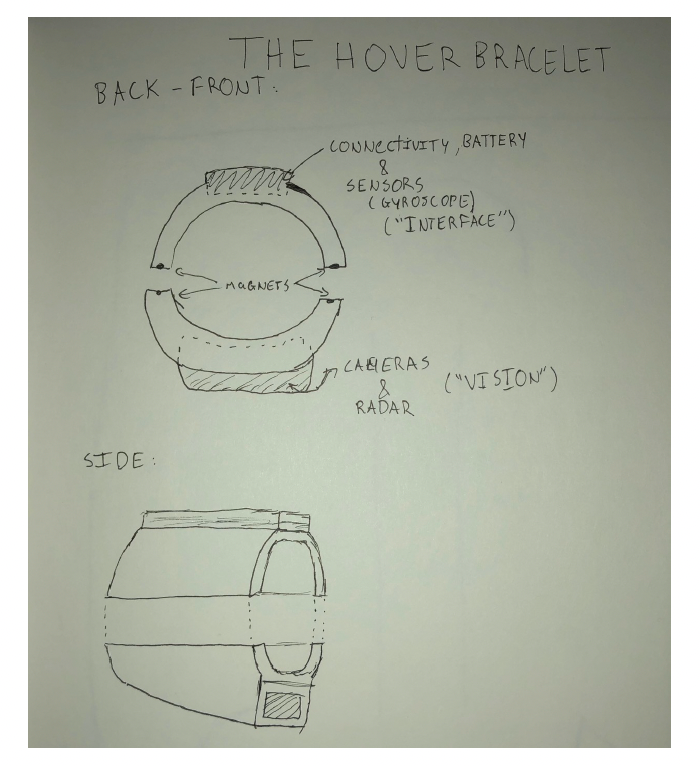
When doing my Master's at the MIT Media Lab, I wanted to build a device that would be wearable, and that one could perform a kind of literal "mouse hovering" over any object and be able to retrieve some useful, just-in-time information about it. The thought was that this information could be utilized, particularly for electronics, to help understand usage.
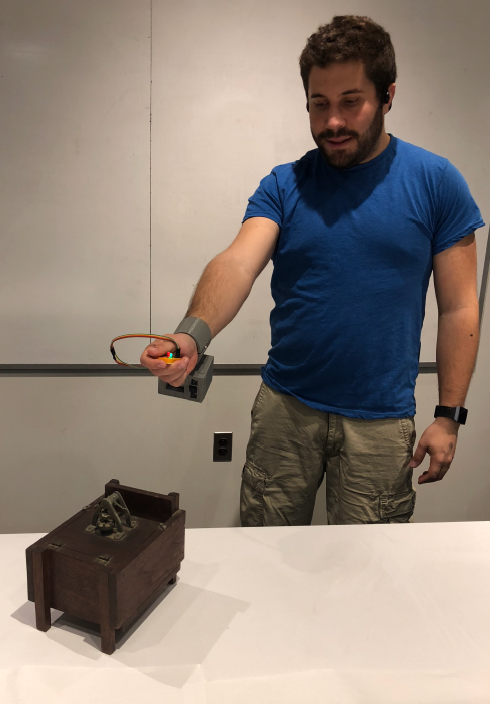
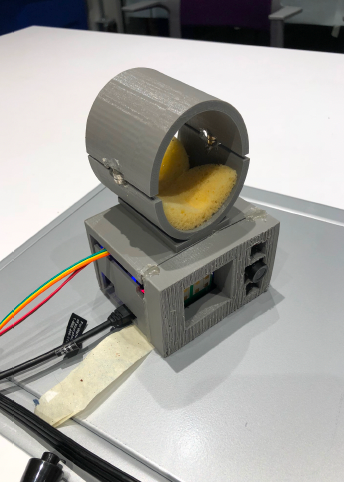
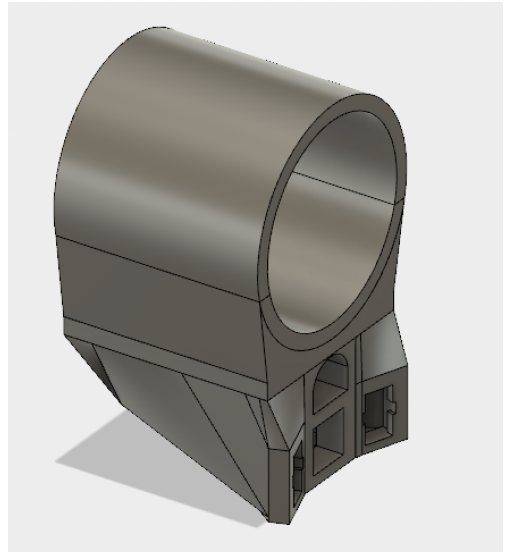
I designed, fabricated, and iterated on the bracelet myself. The key principles behind the design were to hide the complexity of the system as much as possible, and to have the device function in a wearable mobile form factor.

After a user study on an object identi cation task, we can say the following. The hover
device is comparable in cumbersomeness with a mobile phone, and less cumbersome
than the head worn Hololens. It is not more immersive than a Hololens, but that it
is comparable in lack of immersiveness with a phone and a Hololens. We can also
say that it is comparably less interruptive than a phone, and that it is comparable
in interruptiveness with all the other devices in the study. We can also say that it is
comparably less intrusive with a mobile phone, but that it is less intrusive than the
head-worn Hololens.
This project inspired me to explore conversational assistants to the point that I devoted my Ph.D. thesis on them and how they could help people in procedures.